News
“We Have Never Had It So Good” — Ola Amuda Commends Ayedatiwa

“We Have Never Had It So Good” — Ola Amuda Commends Ayedatiwa
Pastor Ola Amuda, a former top government official in Ondo State and prominent community leader, has commended Governor Lucky Ayedatiwa for what he described as a series of strategic appointments and institutional interventions aimed at strengthening the state’s healthcare system, expanding political participation and improving opportunities for human capital development.

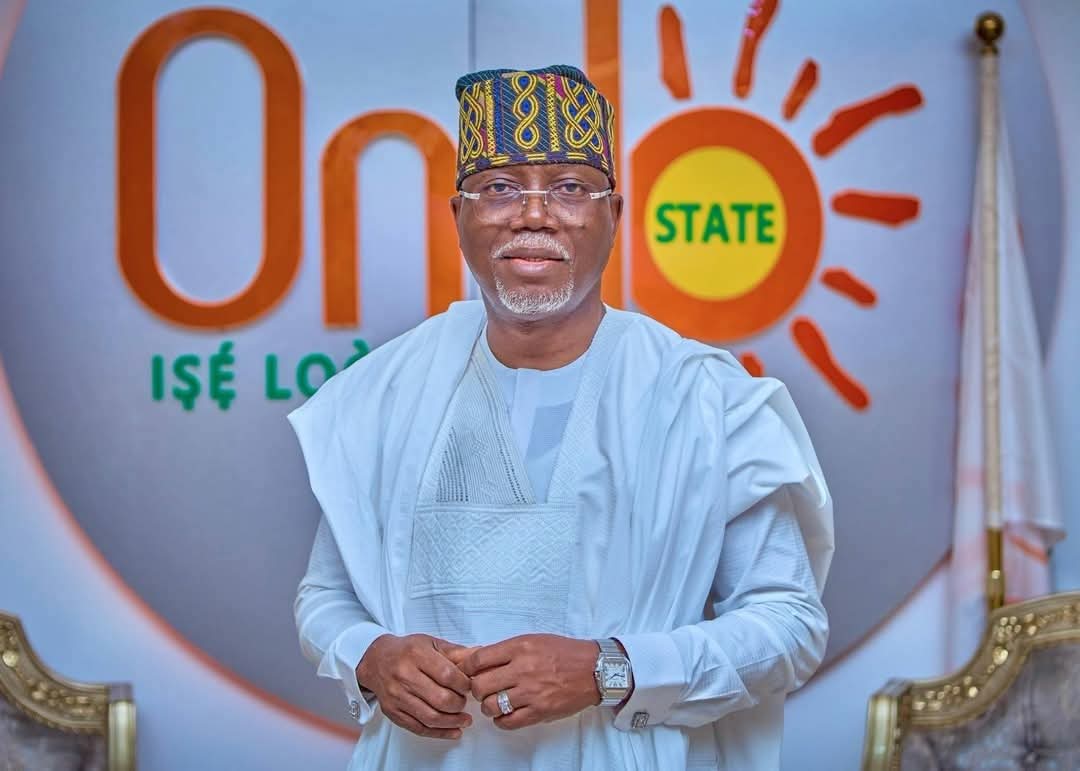
Aiyedatiwa
Amuda specifically praised the governor for the appointment of 6,000 health workers and the inauguration of 1,000 political officeholders, describing the decisions as significant steps capable of strengthening government structures and extending representation across different sections of the state. He said the appointments were particularly important because they addressed two critical areas of governance: the need to improve healthcare delivery and the importance of broadening political participation at the grassroots.
Speaking with our reporter after the inauguration of the political officeholders, Amuda said the appointments into the two sectors should be viewed beyond their numerical value, stressing that they had important implications for the effective functioning of government and the welfare of the people. According to him, the recruitment of thousands of health workers would provide additional manpower for the state’s health institutions and improve the capacity of the system to respond to the needs of residents, while the appointment of political officeholders would strengthen grassroots engagement and create a broader platform for political participation.
“From my point of view, the appointments into the two sectors are very strategic. One is to strengthen the state health sector, while the other is to strengthen and empower the political base. From the approved list, it is obvious that the appointments cut across different political divides within the party. We appreciate Mr Governor for having a large heart towards such issues. For us, we have never had it so good,” he said.
The former government official also commended the administration for what he described as an inclusive approach to political appointments, noting that the spread of the appointments appeared to accommodate different interests within the governing political structure. He said such an approach could promote greater participation and give more stakeholders a sense of belonging in the administration.
Amuda also described the appointment of Erelu Oloruntoba as a commissioner as particularly significant, saying it had further increased women’s representation within the Ondo State Executive Council. He, however, stressed that the importance of the appointment went beyond gender representation, describing it as a historic development for Akoko Northwest Constituency II, from which the commissioner hails.
According to him, the constituency, comprising Ogbagi, Irun, Odo Oro, Ese and Aafin communities, had never produced a commissioner or political officeholder of cabinet status since the creation of Ondo State in 1976. He therefore described Oloruntoba’s appointment as a major milestone for the people of the constituency and an indication that communities that had historically had limited representation at the highest levels of state administration could also have a place within the cabinet.
“To the best of my knowledge, since the creation of Ondo State in 1976, no commissioner or political officeholder of cabinet status has been appointed by successive administrations from Akoko Northwest Constituency II, where the commissioner comes from. For about 50 years, she is the first commissioner appointed from the constituency comprising Ogbagi, Irun, Odo Oro, Ese and Aafin communities,” he noted.
Beyond the appointments, Amuda commended the state government for its investment in education and professional training, particularly the establishment of the Ondo State College of Education, Aboto, and the newly established State School of Nursing, Igbokoda. He described the institutions as important interventions that could expand access to tertiary education and professional training while creating opportunities for young people within the state and reducing the need for students to travel outside Ondo State in search of specialised education.
He said the School of Nursing, in particular, could contribute to the development of a stronger healthcare workforce by providing opportunities for residents to receive professional nursing education within the state. He also expressed optimism that the College of Education, Aboto, would contribute to teacher training and the broader development of the state’s education sector.
Amuda further expressed appreciation to Governor Ayedatiwa for the appointment of his colleague, Pastor Abimbola, as Chairman of the Ondo State Christian Welfare Board, describing the appointment as another indication of the administration’s recognition of relevant stakeholders and institutions in the state.
While applauding the administration for its various initiatives, the clergyman also appealed to Governor Ayedatiwa to turn his attention to critical road infrastructure affecting communities in the area. He specifically called for government intervention on the Ogbagi–Ese–Aafin Road and the Ogbagi–Arigidi Road, which he said had been abandoned by the contractor handling the projects.
He urged the governor to investigate the status of the projects and facilitate their completion, stressing that the roads are important to the movement of people, agricultural produce and commercial activities within the affected communities. According to him, completing the roads would not only improve connectivity between the communities but also enhance economic activities and make it easier for residents to access markets, schools, healthcare facilities and other essential services.
Amuda said the interventions already undertaken by the administration should be complemented with sustained attention to infrastructure, particularly roads connecting rural communities, adding that development would have greater impact when investments in appointments, healthcare and education are matched with infrastructure that allows people and economic activities to move freely.
He therefore urged the governor to maintain the momentum of his administration’s ongoing programmes while ensuring that communities across the state continue to benefit from government projects and appointments.