News
FG kicks off distribution of electric vehicles to civil servants

FG kicks off distribution of electric vehicles to civil servants
The Federal Government on Wednesday announced the delivery of the first batch of electric vehicles promised to civil servants as part of its plan to promote cleaner energy and reduce transportation costs.
The Director-General of the National Automotive Design and Development Council, Joseph Osanipin, disclosed this after a meeting with President Bola Tinubu at the State House, Abuja.

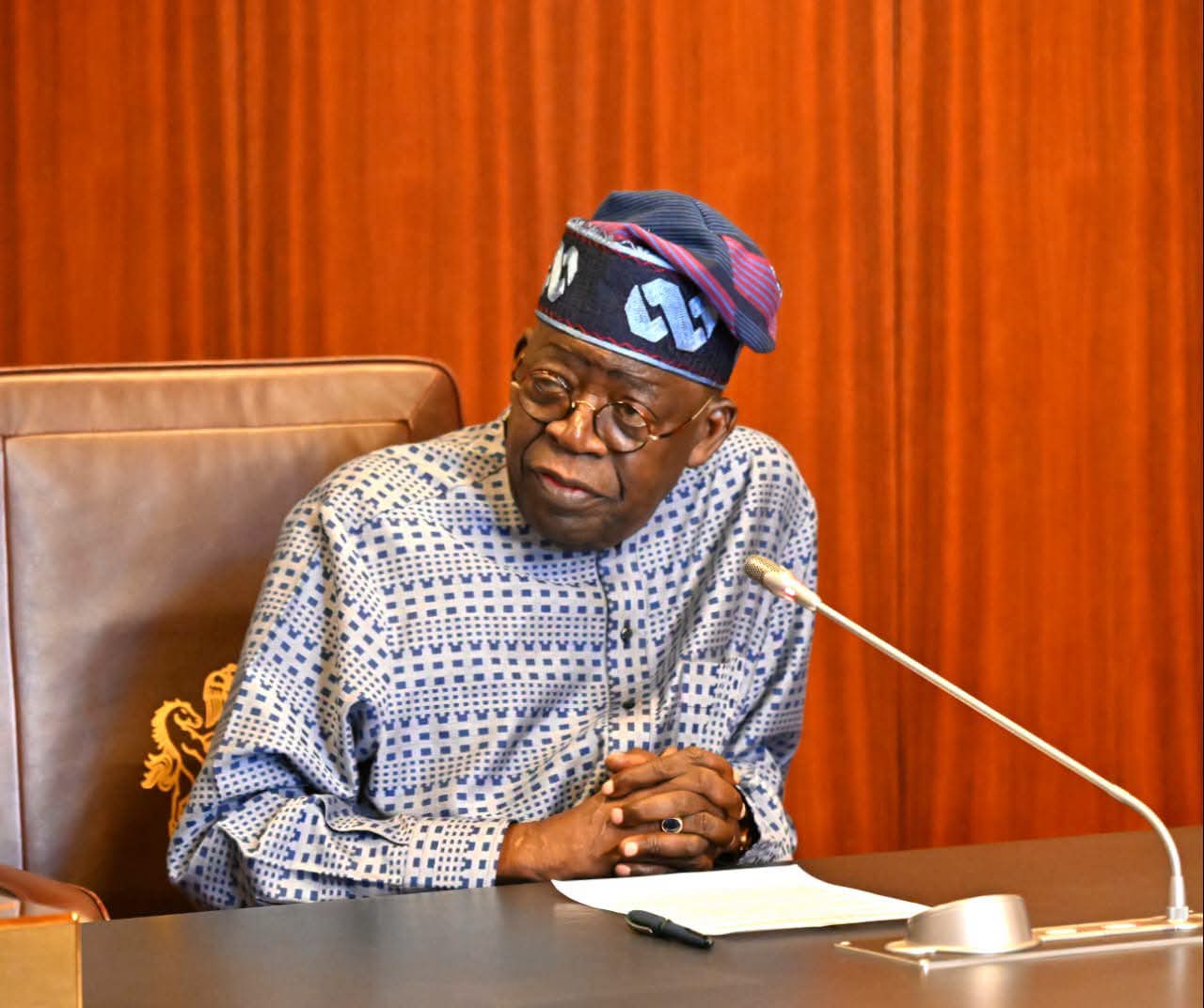
President Bola Tinubu
Osanipin said the delivery marked the beginning of the government’s plan to expand access to electric vehicles and develop the infrastructure needed to support alternative-energy transportation in the country.
He told journalists, “Today, you must have heard in the news that the first batch of the electric vehicle that the President promised civil servants was delivered today, and they are all electric vehicles.
“This is the beginning of more and more that will come.”
The NADDC boss also disclosed that the government had deployed electric vehicle infrastructure in about 16 universities across the country to support the development of an electric vehicle ecosystem.
He said the impact of government policies on electric vehicles and Compressed Natural Gas would become more visible as investments in supporting infrastructure increased.
Osanipin said the transition to alternative fuels could not be achieved through policy alone, as infrastructure such as filling stations, mobile refill units and gas production facilities was required.
According to him, “You can’t put a policy in place today and start having the immediate impact.
“For example, when you talk about CNG, you put in place that policy.
“You need filling stations, mobile refill units and production of gas, and these are where investments have been going to lately.”
He said the number of companies licensed to retail gas had risen from about four to 81, describing the increase as evidence of growing private-sector participation in the government’s CNG initiative.
He affirmed, “As at the time I was discussing with the agency in charge of that, I was told that as of today they have licensed about 81 firms that are into retailing of gas.
“So, which means we are making progress in that regard. When you realise that we had about four before and now we have this, gas is now more available in some states.”
Osanipin cited the experience of a traveller whose fuel expenditure reportedly fell from more than N200,000 to about N40,000 after switching to CNG and refilling in Kano.
He said the development showed that CNG was becoming increasingly available beyond major commercial centres.
“So a lot of people are already benefiting from this policy, and more and more will come now that we are having more people and more firms going into it and investing in it,” he said.
The NADDC DG, however, acknowledged concerns that some commercial transport operators benefiting from lower CNG costs had yet to pass the savings on to commuters through reduced fares.
He said the next phase of the government’s intervention would focus on ensuring that the benefits of cheaper alternative fuels translated into lower transportation costs.
The DG explained, “We have a lot that are already doing it; fleet operators are already benefiting from this.
“So what we are pushing for again, because someone asked me that question, is that I have seen a lot of people benefiting from it, but they refuse to transfer the price to the masses.
“That is going to be the next stage. But we just want to make sure that all the infrastructure and everything is coming. Then we now see enforcement of some of these policies.”
Osanipin said his meeting with Tinubu also provided an opportunity to brief the President on developments in the automotive sector, ongoing investments and progress on draft legislation being developed for the industry.
He said the legislation was part of efforts to strengthen the policy and regulatory framework, attract further investment and accelerate the development of Nigeria’s automotive industry.