Opinion
When Power Plays Collide with Process: Lessons from Lagos’ Speakership Saga of Year 2025

When Power Plays Collide with Process: Lessons from Lagos’ Speakership Saga of Year 2025
By Dave Agboola
Lagos politics thrives on spectacle, but the drama that unfolded on January 13, 2025, was more than a headline — it was a stress test for democratic norms. On that day, while Rt. Hon. Mudashiru Ajayi Obasa, Speaker of the Lagos State Assembly, was reportedly returning from the United States, the State’s House of Assembly had staged a political earthquake: his removal as Speaker after nearly a decade in the chair. The allegations were sweeping — financial impropriety, abuse of office, and high-handed leadership. In his absence, the chamber installed Deputy Speaker Mojisola Lasbat Meranda, making history as Lagos’ first female Speaker. Yet history, as it turned out, was not ready to be rewritten so easily.
The impeachment was hailed by its architects as a triumph of accountability, but its choreography raised troubling questions. Reports of a “fake mace” and heavy police presence lent the episode the air of a coup rather than a constitutional process. Obasa himself would later allege that the chamber was broken into and his loyalists intimidated. Beneath the surface, whispers of internal party intrigue grew louder. Obasa’s rumored gubernatorial ambitions for 2027 had unsettled some within the ruling APC, and the impeachment appeared to many as a preemptive strike in a succession chess game.
For weeks, Lagos politics teetered on the brink of paralysis. Meranda’s tenure lasted just 49 days before she resigned, citing the need to restore harmony. Her resignation paved the way for Obasa’s return, but the decisive blow came from the judiciary. On April 16, 2025, the Lagos High Court declared the January 13 proceedings unconstitutional, null, and void. Justice Yetunde Pinheiro’s ruling was unequivocal: the Assembly had violated its own standing orders and the Constitution. The judgment did not weigh the substance of the allegations; it focused squarely on process. In a democracy, the means matter as much as the end.
Obasa’s reinstatement was not merely a personal victory; it was an institutional reaffirmation. It underscored the judiciary’s role as a bulwark against legislative overreach and reminded lawmakers that majority rule cannot override procedural law. It also highlighted the stabilizing influence of political negotiation — party elders intervened to prevent a prolonged crisis, proving that dialogue remains indispensable even in the heat of constitutional confrontation.
What stands out most in this saga is Obasa’s remarkable resilience. Few political figures could withstand the humiliation of removal in absentia, the barrage of allegations, and the optics of a chamber turned against them — yet Obasa did. He returned to Lagos not with incendiary rhetoric but with a calculated calm, choosing the courts over chaos. That decision alone speaks volumes about his mental strength and strategic patience. In an era where political actors often resort to brinkmanship, Obasa’s reliance on due process rather than street politics was a masterclass in composure under fire.
Beyond legal vindication, his ability to reassert leadership after such a bruising episode reflects rare psychological stamina. For nearly three months, he operated under intense scrutiny, with his reputation hanging in the balance. Lesser men might have buckled under the weight of public opinion and internal party hostility. Obasa did not. He absorbed the pressure, trusted the system, and ultimately emerged stronger — sending a clear message that resilience, not reaction, is the true currency of political survival. His story is a reminder that leadership is not only about wielding power but about enduring storms without losing the compass of principle.
Whatever one thinks of Obasa, his resilience through this storm is undeniable. To endure removal in absentia, navigate a fractured House, and emerge vindicated by the courts demands not just political capital but composure and faith in the system. In the end, Lagos learned a lesson that should echo beyond its borders: power is transient, but process is permanent. When the gavel falls, it must fall within the bounds of law, for that is the only guarantee that democracy will outlive its actors.
Agboola is the Chief Press Secretary to the Speaker, Lagos State House of Assembly

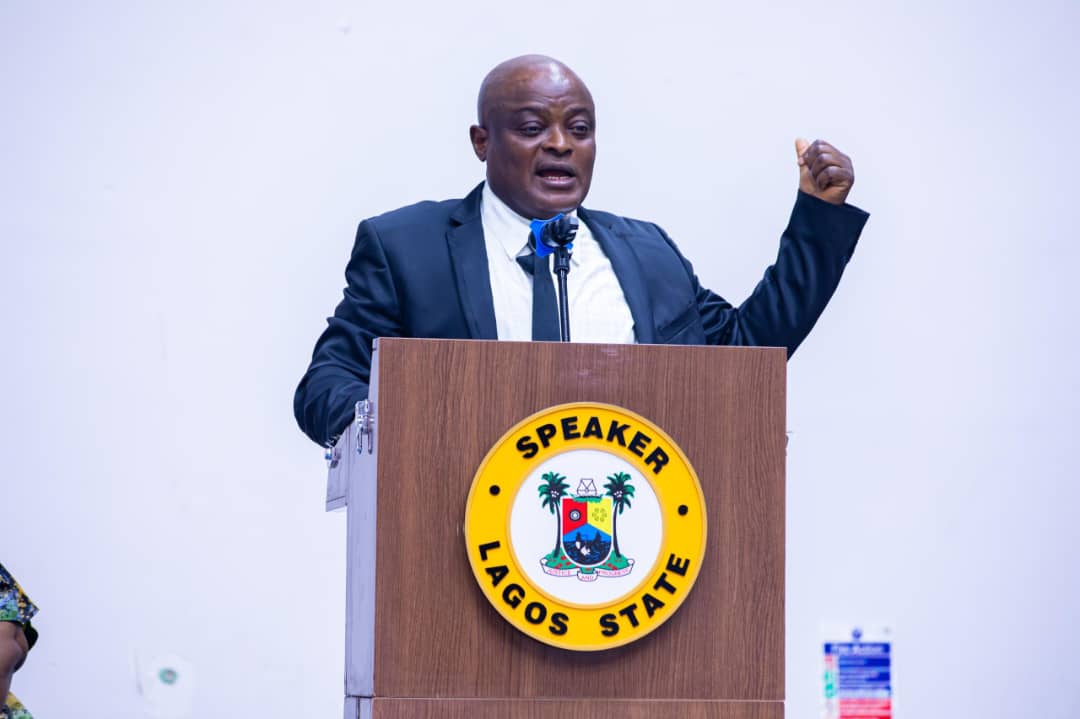
Obasa