Article
Tokunbo Wahab and the Burden of Responsibility; More Kudos tha Knock


Published
4 months agoon
By
Admin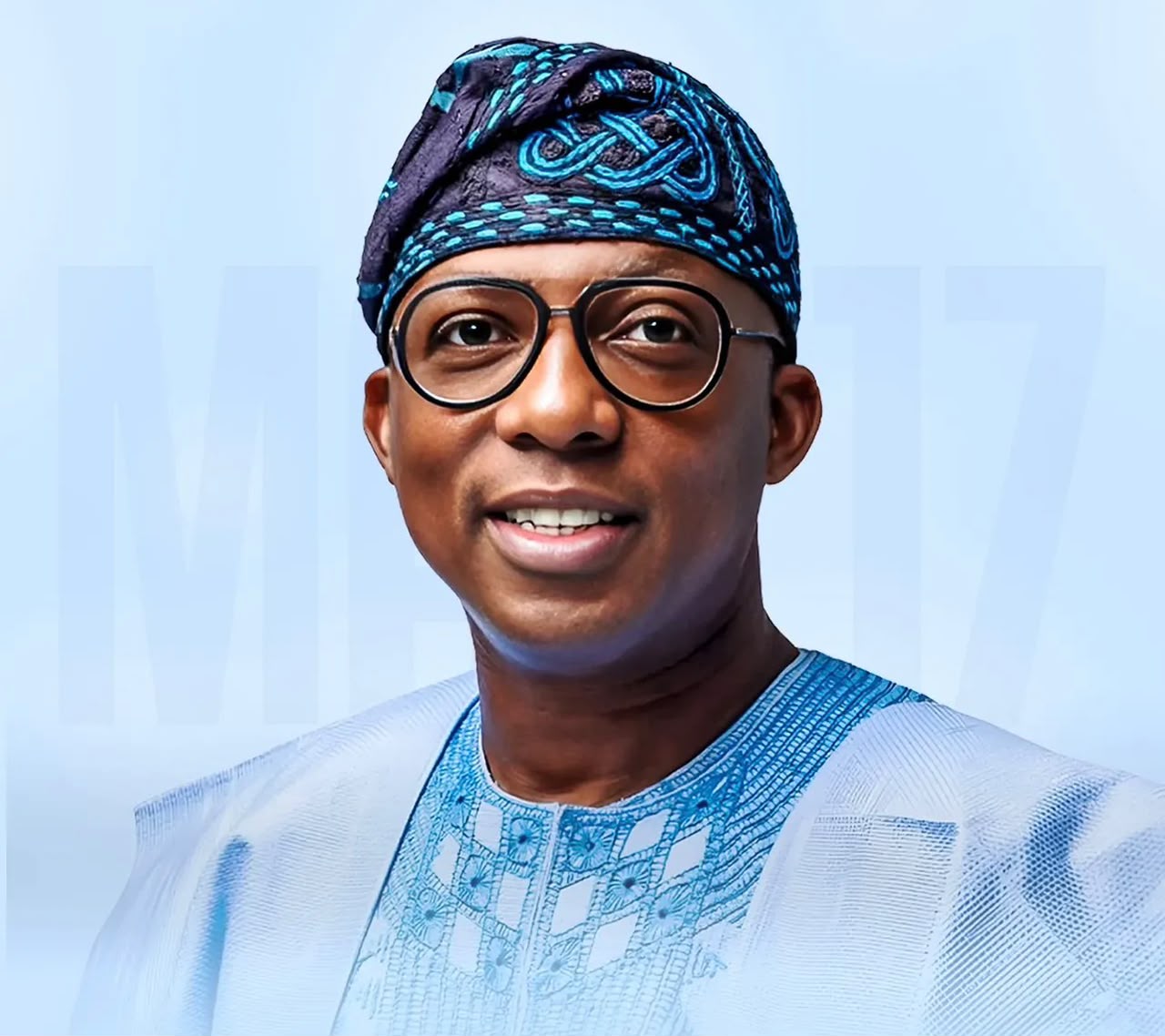
Tokunbo Wahab and the Burden of Responsibility; More Kudos tha Knock
Bashorun Oladapo Sofowora
In the relentless theatre of Lagos’ environmental space, the stakes are measured in tonnes of waste, kilometres of clogged drains and the daily struggle for breathable air. The Commissioner for Environment and Water Resources; Barrister Tokunbo Phillip Wahab carries a burden that is at once unglamorous and utterly existential. It is a portfolio that does not permit the luxury of quiet administration; every decision is contested, every misstep amplified and every success measured against the impossible standard of a megacity’s ceaseless demands. Tokunbo Wahab, who has held this office since the commencement of the current administration in 2023, has learned this truth intimately. Since his foray into the murky waters as Commissioner, he has faced a relentless pressure test, marked by a strategy that combines the iron fist of enforcement with the velvet glove of innovation. Yet, for all the inevitable criticism that accompanies such a visible role, a dispassionate review of his stewardship reveals a compelling narrative; one that suggests Tokunbo Wahab deserves far more kudos than knocks for the foundational work he is currently undertaking. Not minding who’s Ox is gored; Wahab has pierced many with the spear of ‘due process’ which has gathered many enemies for him. In his words; doing the right thing is in the best interest of all Lagosians, so he does not mind taking the fall to ensure that where he calls home is orderly and progressing to an enviable height.
The most significant and potentially transformative, aspect of Wahab’s legacy is his philosophical and practical dismantling of Lagos’s outdated “linear waste system”; the ‘collect and dump’ model that has choked the city’s landfills and waterways for decades. Under his guidance, the Ministry has aggressively pivoted toward a circular economy, a paradigm shift that reframes waste not as a nuisance but as a resource. This is not merely rhetoric; it is a policy framework backed by tangible, large-scale partnerships and grassroots initiatives. The most visible of these is the “Trash for Cash” programme, a weekly initiative across the city’s five divisions; IBILE Ikeja, Badagry, Ikorodu, Lagos Island, and Epe; where residents are paid for their recyclable waste, directly incentivising a culture of separation and responsible disposal. This is a fundamental cultural intervention, designed to help citizens “see waste as a resource”. As Wahab puts it, building a “waste management culture” that is crucial for long-term sustainability requires all stakeholders to do things differently. The Lagos State government has even begun decommissioning notorious landfill sites like Olososun; a clear indication that the transition is not merely aspirational but is actively being executed.
This transformation extends beyond organics. Wahab has been the driving force behind the state’s landmark ban on Styrofoam and single-use plastics, a courageous and bold decision that placed public health and environmental sustainability above powerful commercial interests. The ban is already showing tangible results as there has been a drastic reduction in drainage clogging and flash flooding challenges since the ban was effected and enforced. Concrete data supports this, with over 137,530.94kg of PET plastics removed from the environment within a single review period. Complementing this is the commissioning of the Ikosi Waste-to-Energy Biodigester Plant, a project that processes 0.5 tonnes of organic waste daily into electricity and cooking gas, generating 30kWH of power and saving an estimated 9,000 tonnes of carbon dioxide equivalent annually. These are not superficial fixes; they are foundational investments in a sustainable urban future that will enhance sheer opportunity and also drive the sustainable change required for environmental sanity.
Yet, Wahab has also demonstrated a shrewd understanding that innovation must be paired with robust enforcement to be effective. The numbers from the 2026 Ministerial Press briefing speak volumes as 931 persons were apprehended for waste management offences, 2,251 sites were inspected, 1,711 contravention notices were issued and 239 facilities were sealed. This was not merely a statistical exercise; it was a targeted campaign to restore order and compliance within the state. Under his directive, the Lagos State Environmental Protection Agency (LASEPA) has become a more formidable force, particularly in the battle against noise pollution; a quality-of-life issue that has long plagued the city. The enforcement drive has also been proactive, extending to the installation of over 100 air quality monitoring sensors across the state and introducing cleaner fish-processing technology in vulnerable communities like Makoko to reduce harmful smoke emissions. These are the less glamorous but critical functions of governance that protect the most vulnerable and enforce the social contract.
However, what truly sets Tokunbo Wahab’s tenure apart is his embrace of accountability, particularly in the face of challenges that are largely beyond his control. The recurring flash floods and the irresponsibility of dumping refuse on the road median that plague Lagos are a perfect example. Rather than deflect blame, Wahab has consistently offered a masterclass in honest crisis communication. Also, he has been consistent about the reality that Lagos is a coastal city, interacting with the Atlantic Ocean and a complex network of lagoons and creeks, making flash flooding “realistically” unavoidable in the face of extreme weather events. This honesty is coupled with a clear mandate for action; he has used these moments to explain how tidal surges and sea-level rise slow stormwater discharge, while also calling on residents to stop dumping refuse in drains the human-induced variable that exacerbates the problem. Crucially, his transparency has been met with swift government action, as Governor Babajide Sanwo-Olu approved the immediate dredging and maintenance of 28 additional primary drainage channels in response to the challenges he publicly outlined.
This same honesty has been on display regarding the state’s waste management challenges. When the system creaked under the weight of the transition, due to a little operational lagging from LAWMA trucks inability to access the dump site due to the raining season m, Wahab did not retreat, instead, he publicly apologised to Lagosians, stating, that the challenges are being fixed assuring residents that the government is fully committed to strengthening the system through introduction of more refuse compact trucks and also increase the frequency of waste collection across Lagos. This ability to acknowledge a problem while demonstrating a clear pathway to its resolution is a rare and invaluable trait in public service. It is this combination of a bold, transformative vision; moving from waste to wealth with a boots-on-the-ground enforcement strategy and a posture of genuine accountability that makes Tokunbo Wahab a leader worthy of commendation. The critics will always find fault, but the evidence is clear, under his stewardship, Lagos is laying the groundwork for a cleaner, more resilient, and truly sustainable future. Tokunbo Wahab’s current tenure reveals a leader who has tackled the toughest environmental challenges with proactivity and foresight. He has not waited for crises to become catastrophic; he has acted decisively, communicated transparently and engaged the people creatively. From the landmark ban on single-use plastics to the aggressive enforcement of environmental laws, from his innovative use of social media for accountability to his engagement of content creators for advocacy, Wahab has consistently demonstrated a proactive leadership style that is worthy of kudos. He has laid the groundwork for a more sustainable future and in doing so, has shown that Lagos can indeed win the war for a cleaner and healthier environment.

